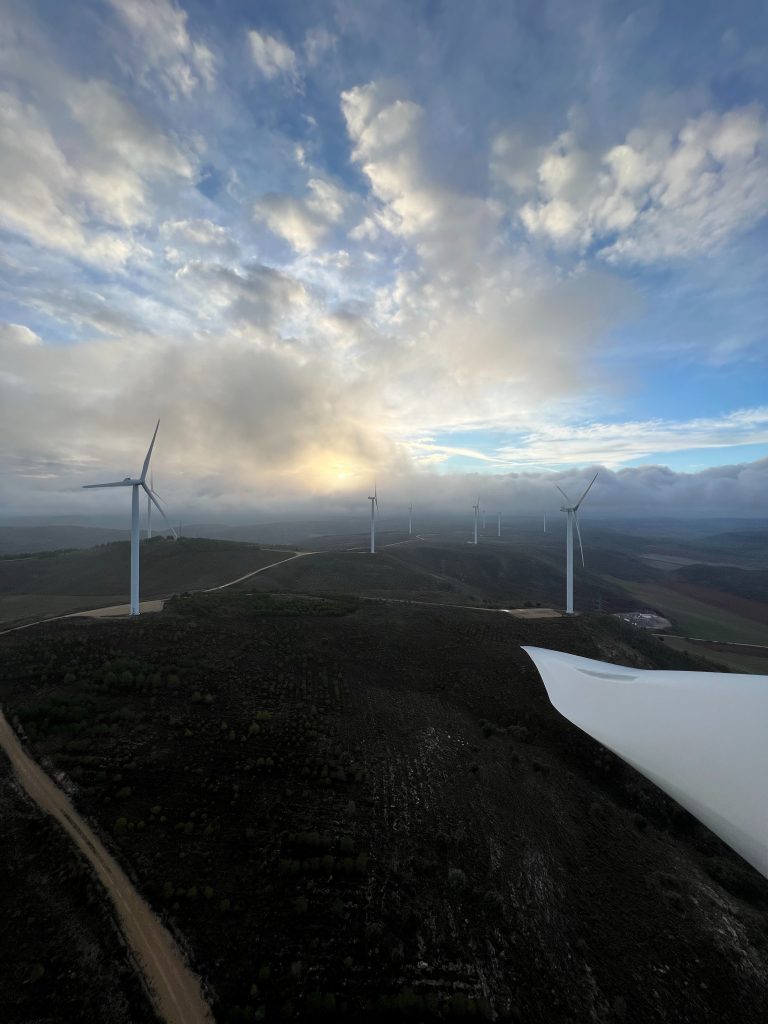
👉 Digital technologies are playing an increasingly important role in the monitoring and management of natural resources. With the use of sensors, drones, and satellite imagery, it is now possible to collect vast amounts of data about the state of our forests, oceans, and other natural resources.
👉 One of the key benefits of using digital technologies for natural resource management is that it allows for real-time monitoring of conditions on the ground. This means that resource managers can quickly identify and respond to issues such as illegal logging, overfishing, and pollution.
👉 Another benefit is that digital technologies can help to improve the accuracy and completeness of data collection. For example, drones can be used to survey large areas of forest or ocean quickly and accurately, while satellite imagery can be used to monitor changes in land use over time.
👉 Digital technologies also provide new ways to visualize and analyze data, making it easier to identify patterns and trends. This allows resource managers to make more informed decisions about how to manage resources in a sustainable way.
👉 More info in this scientific article
♻️ Digitool is an Erasmus+ project, focused on the topics of #Digitalization, and #CircularEconomy helping HEI to implement digital education solutions into their curricula
💻 The project will develop an innovative, asymmetrical online course on Circular Economy //Green Business theme and it will strive to improve digital pedagogical competences of educators, enabling them to deliver high quality interactive digital education
⬇️⬇️⬇️
with:
🇦🇱 Canadian Institute of Technology – CIT
🇮🇹 Fondazione Bruno Kessler – FBK
🇱🇻 ArtSmart
🇱🇹 Entrepreneurship Institute (ENTRI)
🇵🇹 Polytechnic Institute of Setúbal